
Blog
Clear, Repair or Replace Gutters? How to Choose the Right Fix
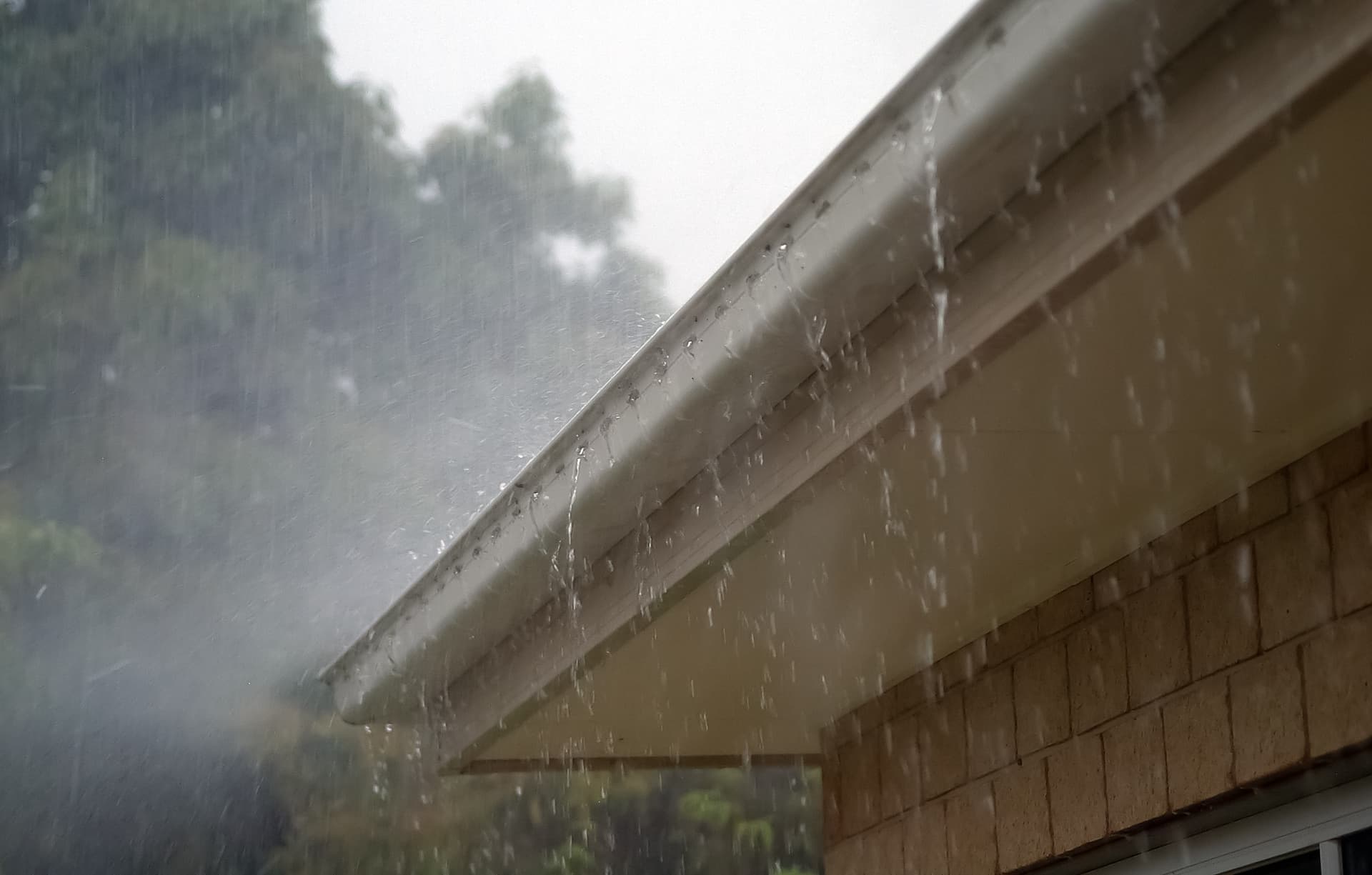
A gutter that overflows or drips does not tell you by itself whether it needs clearing, a local repair or replacement. The useful question is where the water is escaping, whether the fault is isolated and what condition the rest of the system is in.
That distinction matters because treating the visible symptom alone can leave the cause in place. A clear view of the whole route, from the roof edge through the gutter and downpipe, helps separate a maintenance issue from a fault that will keep returning.
Start with the pattern of the problem
Notice where water appears and whether it happens at one point or along a longer section. A spill at the same spot may suggest a local obstruction or a problem around an outlet. Water escaping at a joint points to a different area to investigate. If several sections overflow or water repeatedly runs behind the gutter, the cause may involve alignment, the capacity of the system or how the roof drains into it.
These are clues, not a diagnosis. Water can travel along a gutter before spilling, and the place you see it may not be the place where the fault begins. A downpipe restriction can also affect the gutter above it, so replacing the visible section without checking the route may not resolve the problem.
When clearing may be enough
Clearing is worth considering when the gutter is otherwise holding its shape and water can drain properly once an obstruction is removed. Debris can interrupt the flow or collect around an outlet. If the problem stops after the obstruction is dealt with, there may be no reason to replace a sound run simply because it overflowed.
But clearing is not a lasting answer if the same problem returns. Repeated build-up in one area can point to an issue with the gutter's slope, its outlet or the way roof water reaches it. A clean gutter that still spills needs a closer look at how it is positioned and connected, rather than another clean as the only response.
When a local repair makes sense
A repair is more likely to suit a fault confined to one part of an otherwise sound system. The key is whether the damaged section can be corrected without leaving a mismatch in shape, connection or alignment. A patch or replacement piece that does not suit the surrounding gutter may create a new weak point or interrupt the flow.
Look at the wider condition as well as the visible defect. If nearby sections are secure and the system drains as intended, a local repair may be a sensible option. If several joints or sections are failing, the issue is less likely to be solved well by treating each fault separately.
When replacement deserves consideration
Replacement becomes more relevant when problems are spread across the length of the gutter, keep recurring or stem from the way the system is set up. For example, a gutter that cannot direct water towards its outlet may continue to spill even after debris is cleared. A system that does not suit the roof's drainage needs may also keep struggling, so changing one short section will not address the underlying mismatch.
The condition of the existing material matters too. If deterioration is widespread, repairs can become a series of temporary fixes rather than a reliable solution. The decision should account for the full length of the gutter, the outlet and downpipe connections, and whether a replacement can be fitted to work with the roofline.
What you can check safely
From the ground, look for visible sagging, separated joints, water marks on the wall below the roof edge or a downpipe that appears disconnected. Note which area is affected and whether the water escapes from one point or several. This information can help describe the problem clearly.
Do not climb onto the roof or reach over the edge to inspect or clear gutters. Working at height can be dangerous, and a ground-level view cannot confirm the condition of brackets or connections. If the cause is not obvious, leave the closer inspection to someone equipped to work safely.
The best choice depends on the cause, not just the symptom. Access to the roofline, the length and condition of the guttering, the material and the state of the outlets can all affect the work involved. For homeowners in Harlow, Brentwood and across Essex, we can discuss guttering work and help you consider the appropriate next step. Read our Soffits, Fascias, Guttering & Cladding service overview, or contact B.Short Roofing to request a quote.