
Blog
Do You Need Planning Permission for a New Roof in Essex?
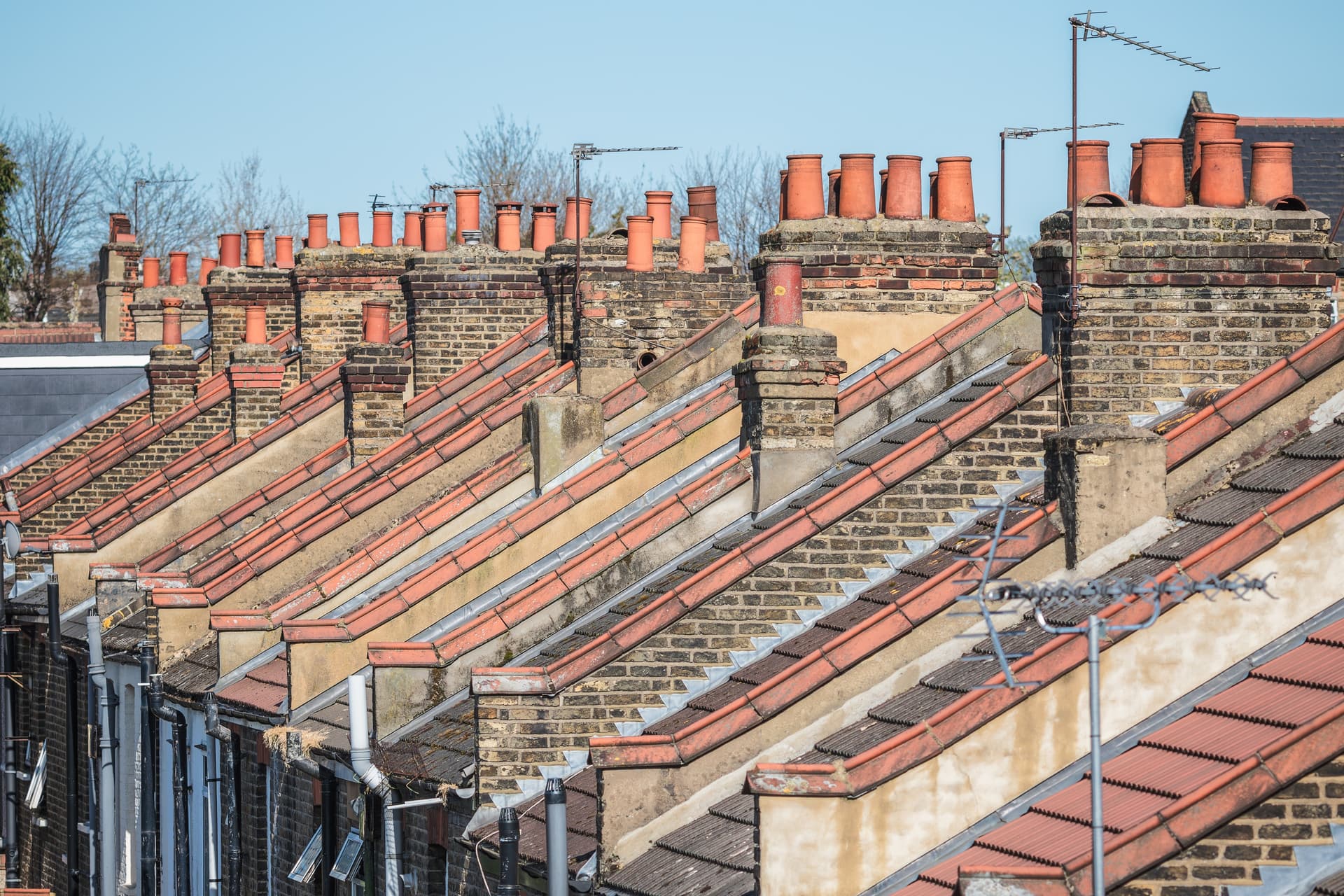
Do you need planning permission for a new roof?
Replacing a roof is not always a simple like-for-like job. The permission position depends on the property, the proposed design and whether the work changes the appearance or structure of the building.
For a straightforward replacement, the position can depend on the property and the proposed work, so check with your local planning authority before starting. That does not mean every reroofing project is automatically exempt. A period cottage in Ingatestone, a modern semi-detached home in Harlow and a listed property in Brentwood can all have different requirements.
The most useful question is not simply whether you are replacing the roof. It is whether the work changes what the roof is, how it looks or how the building is protected.
The property is the starting point
Standard homes and like-for-like replacement
If the existing outer roof material is replaced without changing the slope, height of the roof's top edge, shape or overall appearance, the project may be covered by rules that allow some work without a full planning application. This is the situation many homeowners have in mind when they ask about a new roof.
However, the details still matter. Changing from one type of tile to another can alter the colour, profile, weight or visual character of the roof. A roof that looks similar from ground level may not be treated in the same way by the local authority if the change is substantial.
This is particularly relevant on terraces and semi-detached homes, where an obvious change can make one roof look out of keeping with the adjoining property.
Listed buildings and protected areas
Listed buildings need greater care. If your property is listed, check with the local planning authority before changing the roof, as additional consent may be relevant. Carrying out work without the correct consent can create problems when you later sell the property and may require unauthorised work to be addressed.
Extra care may be needed if your home is in a conservation area, where local controls can affect changes to its appearance. Local restrictions can affect the materials, finish and appearance that are acceptable. Some properties have additional planning controls that remove or limit permitted development rights. This means a homeowner cannot rely on the general rule for an ordinary house without checking the specific property.
Before arranging a full installation, check whether your home is listed, sits within a conservation area or is affected by an Article 4 Direction, which is a local rule that can restrict usual planning rights. Your local planning authority can confirm the position. We can also raise the issue during the roof survey so the design is considered against the property rather than treated as a standard replacement.
Planning permission is not the same as building regulations
A common mistake is to treat planning permission and building regulations as the same thing. They are separate controls.
Planning permission is mainly concerned with the effect of the work on the building and its surroundings. Building regulations may apply to how the roof is constructed, so establish which requirements apply to your project before work starts.
Even if planning permission is not needed, building regulations may still apply to a substantial reroofing project. Removing the existing covering can also reveal damaged battens, timber or other parts of the roof structure that need attention before the new covering is installed. The final design must work as a roof system, not just look correct from the pavement.
This is why a proper inspection matters. A quote based only on photographs cannot reliably establish the condition of concealed components, the exact layers beneath the outer covering or the work needed to meet the relevant requirements once the roof is opened.
Roof alterations that change the answer
The permission position becomes more involved when the project includes more than replacing the covering. Examples include:
- Raising the ridge or changing the roof pitch
- Adding dormers, roof windows or other roof extensions
- Converting roof space into a new room
- Changing a flat roof into a pitched roof
- Altering the roofline or making a visible change to the front elevation
- Using a materially different covering on a property with planning restrictions
Each change can affect permitted development rights, planning permission, building regulations or more than one of these. The same design may need different checks depending on whether it faces a road, affects a neighbouring property or is in an area with extra local controls.
A new roof for a modern house in Chelmsford may therefore follow a different approval route from work to a period property in Shenfield. The location is relevant, but the individual property is what determines the decision.
What to establish before work starts
Before accepting a proposal, ask for the roof work to be described clearly. It should be obvious whether the project is a like-for-like replacement or includes changes to the roof shape, structure, roofline or use of the loft.
You should also establish:
- Whether the property is listed or in a conservation area.
- Whether any previous planning conditions or local restrictions affect the roof.
- Which parts of the work are covered by building regulations.
- Who is responsible for confirming approvals and retaining completion documents.
- Whether the proposed materials are suitable for the roof structure and the character of the property.
Do not assume that a neighbour's roof alteration sets a precedent. Their property may have different restrictions, or their work may have followed a different approval process.
A roof survey should deal with the property, not just the covering
When we assess a new roof in Brentwood, Harlow, Billericay, Romford, Chelmsford and surrounding Essex areas, the permission question forms part of understanding the whole project. The roof shape, existing materials, property type and any proposed changes all influence what should happen next.
You can read the short overview of our New Roofs service, then contact us to discuss the property and the work you have in mind. We provide new roof installations alongside roof repair, roof cleaning, soffits, fascias, guttering and cladding. If permission or building regulations may affect the design, confirm the position with the relevant local authority before work begins.