
Blog
Do We Repair Flat Roofs as Well as Pitched Roofs?
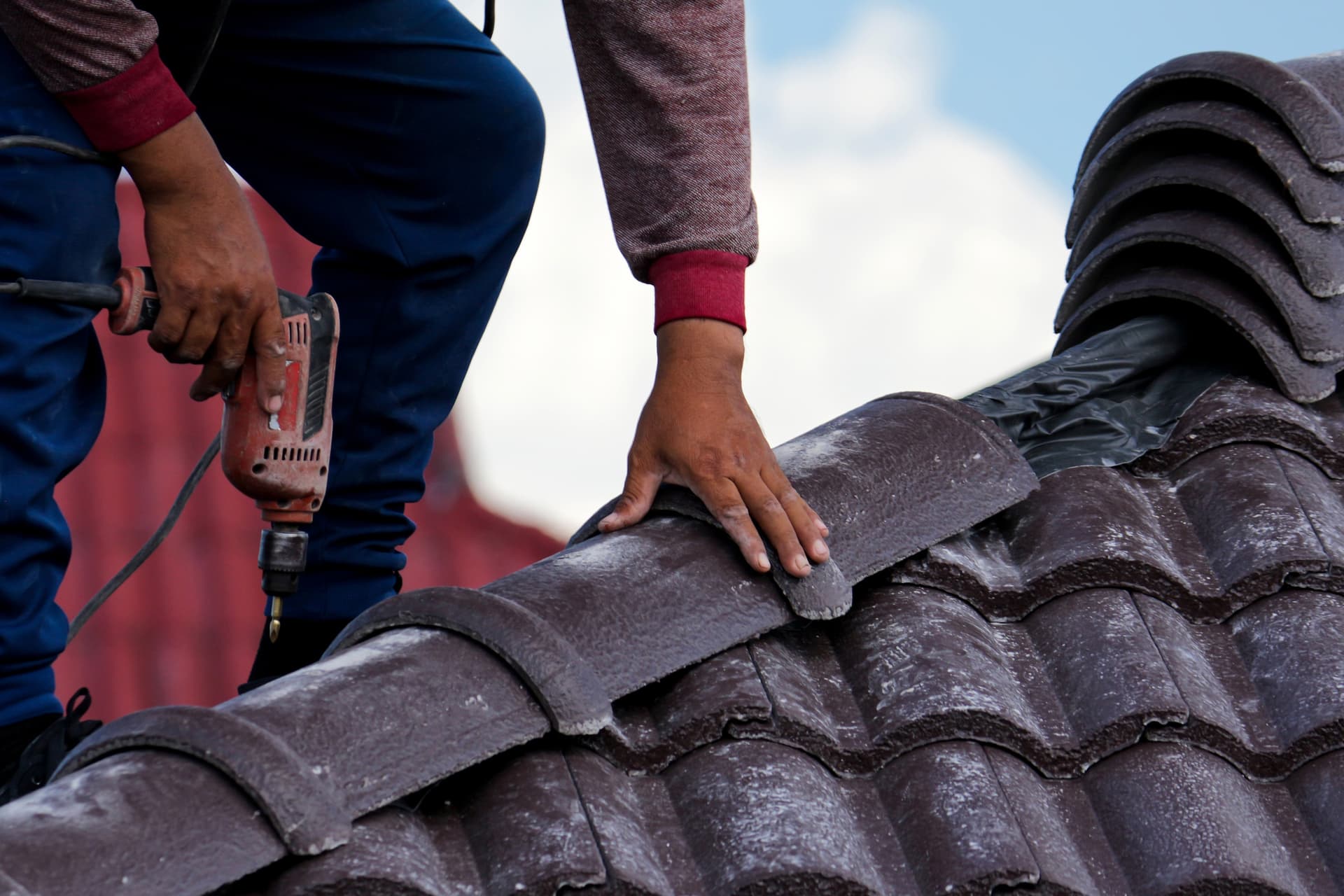
Flat and pitched roofs need different repair decisions
A roof leak does not always appear directly below the failed area. Water can travel along timbers, membranes or the underside of the roof covering before it enters a ceiling or wall. That is why repairing the visible mark alone can leave the real defect untouched.
We repair both flat and pitched roofs, but the inspection and repair method depends heavily on how your roof is built. A tiled pitched roof sheds water across overlapping coverings, while a flat roof relies on a continuous waterproof layer, carefully formed slopes and sealed junctions. Those differences affect what has failed, how far the damage may have spread and whether a local repair is appropriate.
You can read the short overview of our Roof Repair service, but the property itself determines what happens next.
What changes on a pitched roof?
On a pitched roof, common defects include slipped or broken tiles, damaged slates, failed mortar along ridges and roof edges, and gaps around openings through the roof. Flashings around chimneys, roof windows and junctions with other surfaces can also allow water in when they have lifted, cracked or separated from the adjoining surface.
The important question is whether the failed covering is the cause or merely the point where water has become visible. A single broken tile may be a contained repair. Several displaced coverings in one area may point to damaged fixings, movement in the supporting structure or a wider problem with how the roof has been finished.
The age and type of the roof matter too. Older properties in Brentwood, Shenfield and Ingatestone may have been repaired or altered more than once. A newer extension may meet an older roof at a junction where the detailing is more vulnerable. Interlocking tiles, plain tiles, natural slate and modern replacement materials all need to be handled in ways that suit their size, fixing method and position on the roof.
A proper pitched roof repair therefore involves more than replacing whatever looks damaged from ground level. We need to establish how water is getting past the covering, check the surrounding area and make sure the replacement integrates with the existing roof.
What changes on a flat roof?
Flat roofs are not truly level. They need enough fall and suitable drainage to direct water towards outlets or edges. If that drainage is obstructed, poorly formed or affected by movement, water can remain on the surface for longer and place additional strain on the waterproofing.
The visible defect may be a split, blister, lifted edge, failed joint or damaged outlet. However, a patch is not automatically the right answer. The waterproof layer may have deteriorated beyond the immediate damaged spot, or the problem may be caused by ponding, inadequate edge detailing or movement where the roof meets a wall.
The roof covering is only one part of the system. Raised edges, finishing strips, flashings, outlets and openings through the roof all need to work together. A repair that seals the centre of a damaged area but leaves a failed perimeter detail can simply move the leak to another route.
The construction also makes a difference. A roof over a rear extension may have different access and drainage arrangements from a garage roof, balcony or dormer. The materials already in place, the condition of the supporting base beneath them and the way the roof joins the main building all influence whether a local repair is sensible or whether more extensive work needs to be considered.
How your property affects the right repair
Before arranging work, note where the water appears inside and whether it changes after use of the roof area, but do not climb onto the roof to investigate. Flat roof surfaces can be fragile, and pitched roofs create a clear fall hazard. A photograph from a safe position can be useful, although it cannot replace a roof inspection.
Tell us whether the roof is over the main house, an extension, porch, garage or outbuilding. Also mention any previous repair, internal staining, damaged plaster or changes to gutters and downpipes. These details help us understand whether the issue may be isolated or connected to drainage and junctions around the property.
Access is another practical factor. A roof over a conservatory, narrow side return or rear extension may require a different inspection approach from the straightforward front of the property. Safe access is essential because a repair cannot be assessed or completed properly if the damaged area cannot be reached without risking people or the building.
Why diagnosis matters more than the label
Calling something a flat roof repair or pitched roof repair describes the structure, not the solution. Two roofs of the same type can need completely different work because of their coverings, age, previous alterations, drainage and surrounding details.
Our approach is to identify the route water is taking, assess the condition around the defect and explain the practical options in plain language. We can then advise whether a focused repair is suitable or whether the surrounding construction needs attention as well.
For homeowners across Harlow, Brentwood, Billericay, Romford and Chelmsford, we bring roof repair experience across both roof types, with Checkatrade credentials supporting our professional service. If you are unsure whether your flat or pitched roof needs a local repair, contact us to arrange an assessment and clear advice based on your property.